

Everything is expensive nowadays—groceries, gas, our daily cup of coffee. Unfortunately, construction is no different, especially in Pennsylvania, Maryland, and West Virginia. Our team has noticed significant price increases for certain products, some happening every other week.
Today we’re going to explain exactly what building material cost increases you can expect for the coming months, what’s causing them, and what this means for you.
Pennsylvania Building Material Cost Increases By Product
The price tag to build a home is higher than ever, causing an affordability crisis that is impacting both contractors and homeowners. Week after week, we’ve noticed prices grow. In fact, in May 2026, construction input prices increased at the fastest annual rate since COVID.
Our interior and exterior work in central PA has shown that the most affected products are:
- Steel and aluminum
- Lumber
- MEP supplies (mechanical, electrical, plumbing)
- Exterior materials
Below is a comprehensive list of the building material cost increase notifications we’ve received from vendors and distributors so far this year, with more to come in the future.
Lock In Your Price Now
If you’re thinking about a construction project, now is the time to get started. Costs are rising weekly for some items, so book now to get the lowest possible price.
Commercial Exterior Products
- Commercial Roofing Materials: Effective April 13, 2026, all commercial roofing material prices—including accessories—increased 6–10%. Then on June 1, there was an additional 5–10% price increase for commercial exterior products.
WHAT THIS MEANS FOR YOU: Pennsylvania roofing prices are skyrocketing, and when things go wrong with your roof, you can’t afford to wait around for prices to drop. If your roof is damaged or nearing the end of its life, don’t wait. Schedule an inspection or get started on a replacement ASAP.
Residential Exterior Products
- Shingles: All throughout 2026, we’ve seen shingle price increases. At one point, our team was getting emails every other week. Starting April 6, 2026, shingle prices grew 6–10%, and we expect this trend to continue.
- Vinyl Siding: Just like shingles, vinyl siding prices increased 6–10% starting April 6, 2026. Another vendor is implementing a 4% purchase surcharge to offset the rising costs. In addition, supplier-driven cost adjustments are causing a 5–8% price increase across CertainTeed, Westlake Royal Building Products, and Cornerstone Brands vinyl siding, effective August 10, 2026.
- Metal Products (Gutters, Trim Coil, and Other Residential Accessories): As of April 6, 2026, prices for all metal products also increased 6–10%.
- Windows: Window prices are skyrocketing this year. We’ve also noticed long lead times for manufacturing and delivery, slowing down exterior projects.
It doesn’t end here! Residential exterior products received a second price increase of an additional 6–10% effective June 1, 2026.
WHAT THIS MEANS FOR YOU: As a homeowner, almost all exterior projects are affected. Pennsylvania roofing prices and siding prices are climbing, and metal accessories and windows are feeling the strain, too. If there’s a project you need done this year, we recommend doing it sooner rather than later because these prices are only going to grow.
Other Products
- Outdoor Heating Units and Fireplaces: Starting July 15, 2026, these products saw a 3% price increase.
- Flooring: 2026 has been a major year for flooring price increases, especially wood flooring.
- Ready-Mix Concrete: Prices are up 1.7% compared to 2025.
WHAT THIS MEANS FOR YOU: Those fun projects you had in mind, like new wood floors or an upgraded outdoor kitchen? It’s going to be pricier than ever. Contact a contractor immediately to lock in a good deal, and don’t forget to ask them about any specials or offers available to keep projects affordable.
Why Are Building Materials So Expensive Right Now?
It’s a great question, and we feel your pain. However, it’s important to remember that these building material cost increases aren’t just a 2026 issue. Since December 2020, there’s been a 40% rise in material prices, and even domestically-sourced materials are facing challenges!
Several things are driving these building material cost increases.
Oil Prices
According to our Pennsylvania suppliers and their distributors, expensive building materials are a direct result of growing oil prices. Oil prices impact construction in two ways: transportation costs and production costs.
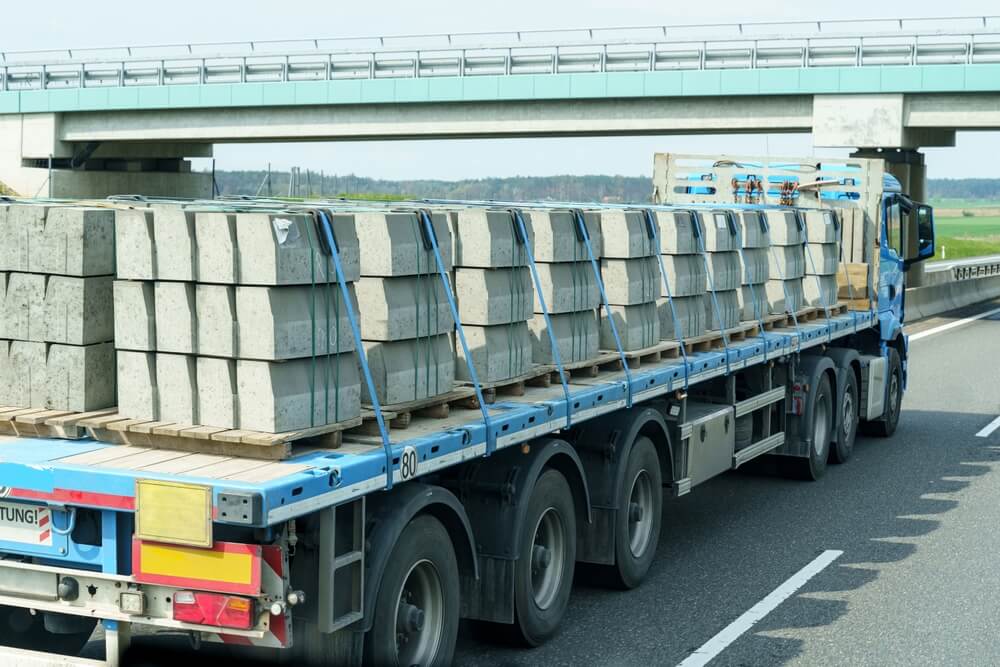
Building materials often travel hundreds of miles to a jobsite, and this process relies on diesel to power the trucks. With oil prices so high, it costs more and more to transport goods across the country, and consumers like you end up paying the difference.
Secondly, higher oil prices impact factory manufacturing and energy costs. Certain manufacturing processes are energy-intensive, like steel and cement production. As oil prices grow, production costs do too. Petrochemical products like PVC piping, insulation, and roofing membranes depend on petroleum and are directly impacted by oil prices.
Oil prices affect the entire supply chain, causing global and domestic markets to take a hit.
Tariffs
Nationally enforced tariffs are also impacting prices. Tariffs are taxes on items imported from another country. Any company trying to bring materials to the states will have to pay extra. This increased price trickles all the way down to you, the homeowner.
Unfortunately, the residential construction industry relies on goods from outside the U.S. Last year, 7% of materials came from abroad. As a result, builders estimate that tariffs increased the cost of new homes by an average of $10,900.
A major piece of this comes from lumber. About a quarter of softwood lumber—an essential material for home construction and remodeling—in the U.S. actually comes from Canada. In 2025, Canadian lumber prices increased by 45% due to tariffs. Unfortunately, domestic lumber production has been unable to keep up with demand.
Raw materials, metals (steel, copper, aluminum), and even home appliances are also facing significant surges.
Here are the most relevant tariffs impacting your wallet:
- Furniture and cabinets: There is a 25% tariff on vanities, furniture, and kitchen cabinets until January 1, 2027.
- Metals: Section 232 puts a 50% tariff on copper, aluminium, and steel.
- Electricals: Equipment like HVAC and panel boards face 15% tariffs.
- Lumber: There is a 10% tariff on imported softwood lumber and a 25% tariff on derivative products like cabinets and vanities (see above).
Other Impacts On Your Project
Product Availability
If material distributors can’t or don’t want to pay tariffs, product availability becomes limited. Rather than increasing prices, many businesses choose to stop stocking these products altogether. This way, they can maintain their low prices and attract customers without paying extra for tariffs.
Larger companies can usually absorb the loss from tariffs, but that strategy can only work for so long before product availability starts to suffer. Smaller companies don’t have that luxury, and you as a homeowner will pay the difference.
Timelines
Another impact of these building material cost increases is speed. Not only do higher prices impact product availability, but they also impact delivery timelines. High fuel prices are a huge piece of that.
Not only is it more expensive to ship goods, but it is also taking longer to ship them for both local and global transactions. This is because there is a truck driver shortage. Our local suppliers and distributors are severely struggling to find enough drivers to deliver materials at the speed consumers are used to.
Overall, labor shortages plus increased fuel costs are putting extreme pressure on their business.
FAQs About Building Material Prices
Yes, now is the best time to renovate your house. Prices are rising every single week, so the sooner you can start your project, the better. Another option is to wait until next year to start your project, but it’s a gamble whether prices will be any better. Since there is no guarantee, we recommend starting work as soon as possible.
If you’re worried about the cost, check out these affordable home additions that can make a big impact with a smaller price tag.
Unfortunately, no one knows when building material prices will go back to normal. It depends on tariffs, fuel prices, and other factors outside our control. While this unpredictability is scary, remember that you can always count on KSW to explain our prices thoroughly and provide upfront estimates so you’re never surprised by the total cost.
Yes, it’s definitely worth it to update your house right now, even with the high prices. A home improvement project does more than just increase the resale value of your home. It also:
- Modernizes your space
- Provides better functionality to meet the needs of your family
- Improves energy efficiency
- Makes your home more attractive
- Enhances comfort and safety
- Is more cost-effective than moving
These long-term benefits provide value beyond the monetary. Comfort, safety, and functionality are just as valuable as resale price. You live in your home now, so it’s worth it to make the space the best it can be.
Financing Made Easy
Even with these building material cost increases, we want home improvement to be accessible to you. That’s why we offer financing on all home projects. Explore your options today and contact our team with questions.