Does your attic heat up like an oven in the summer? Do you constantly struggle with ice dams in the winter? The problem might be airflow. Roof ventilation in Pennsylvania is not something to ignore, especially as we head into the colder months. Set yourself up for success this winter with our guide to roof ventilation in PA.
Why Attic Ventilation is Important
Attics need airflow! Cool air enters through intake vents and warm, moisture-filled air exits through exhaust vents, helping keep your attic close to the actual temperature outside. Here’s why maintaining a balanced system with proper ventilation is key.
#1. It’s Required By Code
Roof ventilation isn’t something contractors made up! It’s required by law. In Pennsylvania, all contractors must follow the Uniform Construction Code, which adopts the International Residential Code (IRC).
According to IRC R806.2, roof ventilation in Pennsylvania must follow the 1/150 rule. This means enclosed attics need 1 square foot of unobstructed space for air to pass through for every 150 square feet of attic. The requirement is reduced to 1/300 under specific conditions.
This unobstructed space is called net free area (NFA). Basically, it’s the open airflow area of a vent. This is different from the vent’s total size. Manufacturers provide the NFA rating of a vent, so use that to determine which size you need. Large attics need more ventilation, while smaller areas need less.
#2. It Helps Prevent Ice Dams
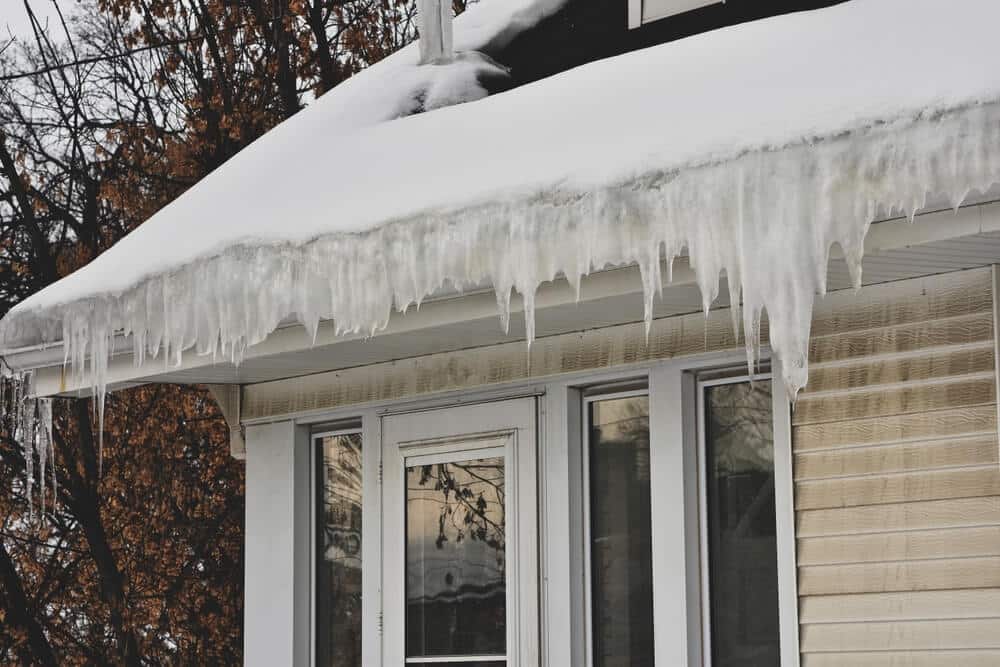
Ice dams form at the edges of your roof and stop melted snow from draining. When this happens, water can get under your shingles and damage your home. Ice dams develop when warm air from your house rises into your attic and heats the roof deck, melting the snow. This snow drips down to the eaves (where it’s colder) and then refreezes.
To prevent ice dams on your roof, start by examining your attic ventilation and insulation. Good insulation keeps the heat inside during the winter and doesn’t melt the snow on your roof. Proper ventilation then keeps your roof cool so you avoid these freeze/thaw cycles.
#3. It Improves Moisture Control
More airflow helps you prevent attic mold from poor ventilation. Without proper airflow, you’ll likely trap moisture inside your home, which can lead to mildew growth. This moisture can also damage your roof deck and wet your insulation so it’s less effective. Roof ventilation systems help control moisture so you can avoid these problems.
#4. It Makes Your Roof Last Longer
Moisture and extreme heat aren’t just nuisances. They can severely damage your roof and lower its lifespan. In the summer, attic temperatures can skyrocket. This heat bakes your shingles from the back, which can make them crack and curl from extreme temperatures. Some studies note a 10% reduction in shingle life on an unvented roof.
Similarly, excessive moisture can rot wood and weaken the structure of your roof. But attic ventilation regulates temperature and limits moisture buildup, helping the hot air escape before condensation forms. This makes your shingles and roof last longer.
In fact, roof ventilation in Pennsylvania is so essential that many shingle warranties only apply if you have a vent system installed.
#5. It Increases Energy Efficiency
In the summer, heat from your attic can leak into your living area. This makes your AC work that much harder to keep your home cool. A vented attic helps that air escape, creating less strain on your HVAC system. This is no joke during our hot Pennsylvania summers, which average about 84 degrees F in the hottest months.
What Are Signs of Poor Roof Ventilation in Central PA?
Old homes in Pennsylvania often struggle with ventilation. You may have vents that are too small, or a lack of vents entirely. Sometimes vents get blocked, clogged, or painted over without you noticing.
If you’re wondering how well-ventilated your attic is, start by checking for these common signs of poor roof ventilation:
- Ice dams on your roof — Look for snow buildup, thick ice, and icicles on the edge of your roof.
- Moisture or frost/ice crystals in your attic — In the spring and summer, look for visible moisture, water stains, and rusty metal. In the winter, look for frost forming on the rafters or wood decking.
- Mold and mildew in your attic — Visible mold or even musty smells are a sign you have trapped moisture.
- Extreme heat in your attic — Your attic will always be hot in the summer, but if it’s significantly warmer than the outside temperature, you may have a problem.
- Shingles that are having issues earlier than expected — If you spot buckling, cracking, curling, or excessive granule loss, investigate further.
Fix Your Attic Ventilation
When you notice any of these signs of poor roof ventilation, contact our team! Our expert roofers in Central PA know how a roof should behave in this climate. We can provide an inspection to see if your issues stem from ventilation problems or something else.
Types of Roof Ventilation Systems
Now you know why attic ventilation is important. But what can you do to fix it?
Proper systems need both exhaust and intake vents. Exhaust vents release air from your attic, and intake vents bring in outside air. Mindlessly adding more vents will not solve your problem. You need a balance of both types to get the proper airflow, but it’s not a one-size-fits-all approach. The right system and vent size depend on your roof’s design.
Here are the different styles of roof ventilation in Pennsylvania.
Exhaust Vents
These sit near the top of your roof (since heat rises) to release warm, moist air from your attic. These are the most common types of exhaust vents we use in Pennsylvania:
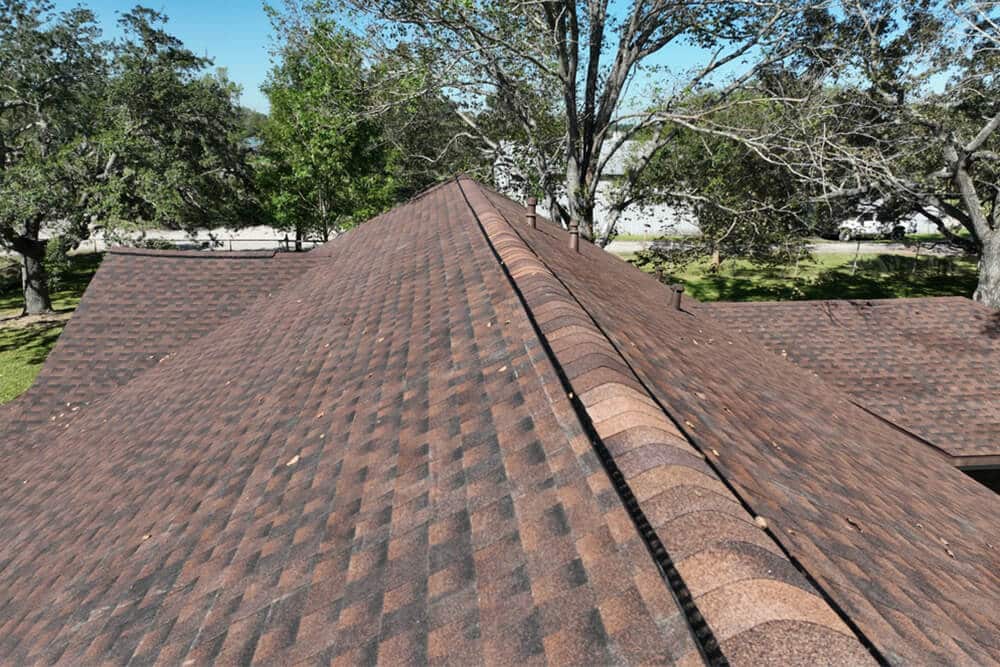
- Ridge Vents: These run along your roof’s peak for discreet, continuous exhaust (sloped roofs only). They can handle heavy snow and don’t rely on electricity or moving parts.
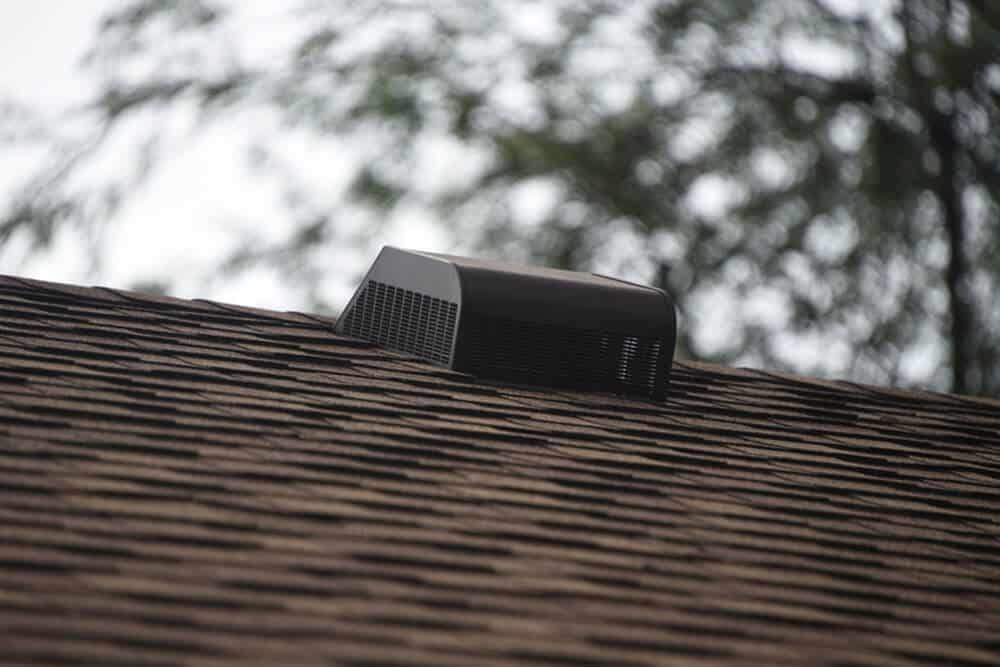
- Box Vents: Also called turtle vents, these are placed over holes in your roof deck so air can flow. They are a good alternative for older homes that have short ridges or several dormers that would disrupt a ridge vent.
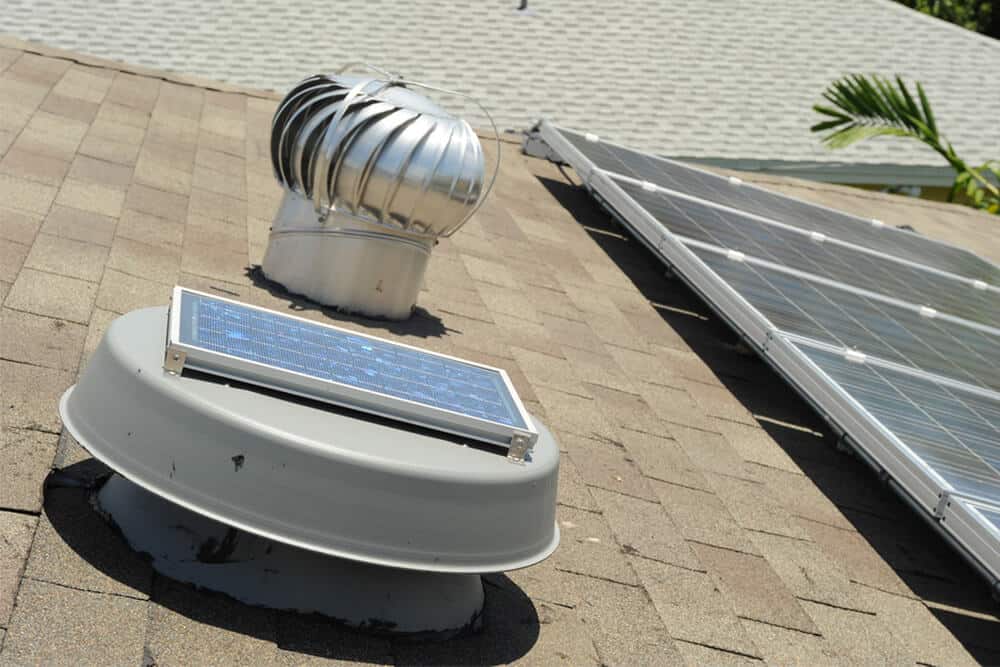
- Power Ventilators: Mounted in your attic to pull out air at a certain temperature or humidity, these fans can be electric- or solar-powered. Balancing the intake is key so they don’t pull out the AC from your home below.
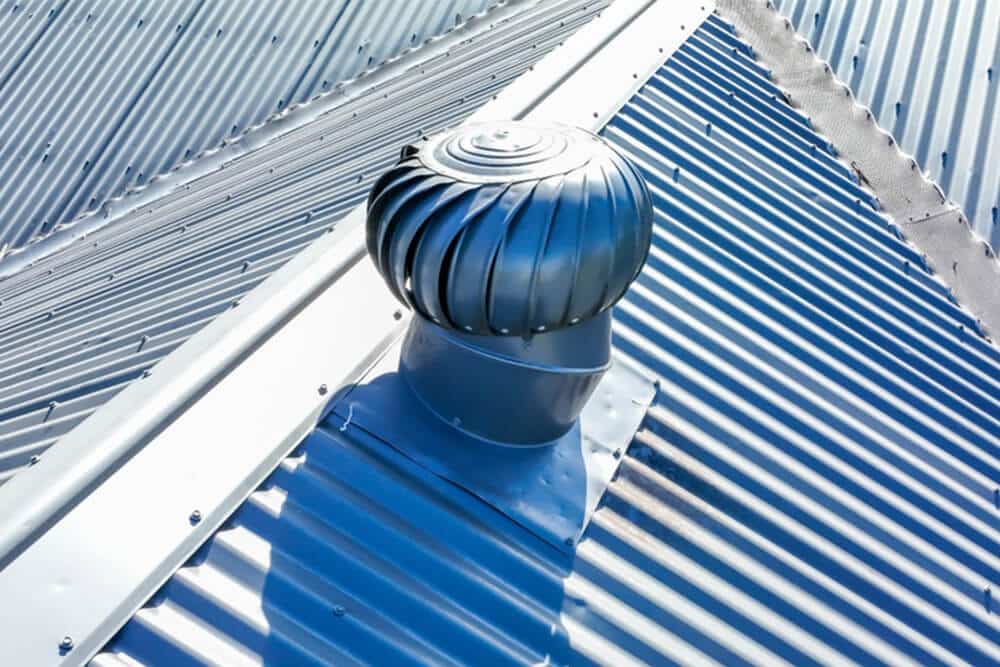
- Turbines/Whirlybirds: Wind-powered spinning globes pull out air and moisture. These only need 5-mph winds to work. You’ll often see these on detached garages or commercial buildings.
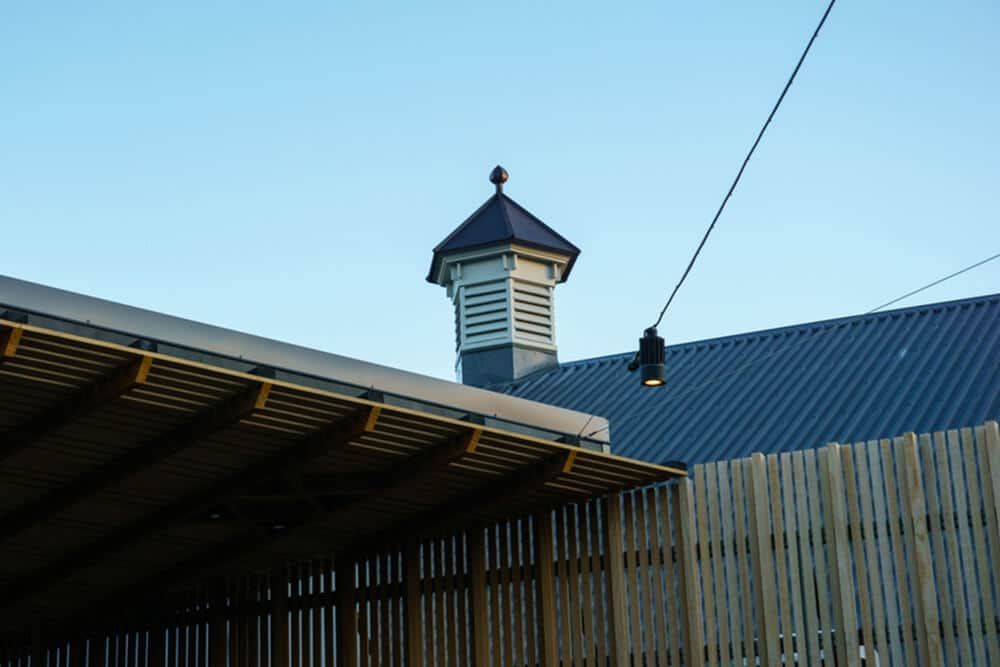
- Cupola Vents: These decorative structures on your roof’s peak allow air to exit. Farmhouse architecture is popular in Lancaster County, so cupolas offer an aesthetic and functional vent option.
Intake Vents
These sit lower on your house to bring in cool outside air into your attic. Here are the popular styles of intake vents we see in Central PA:
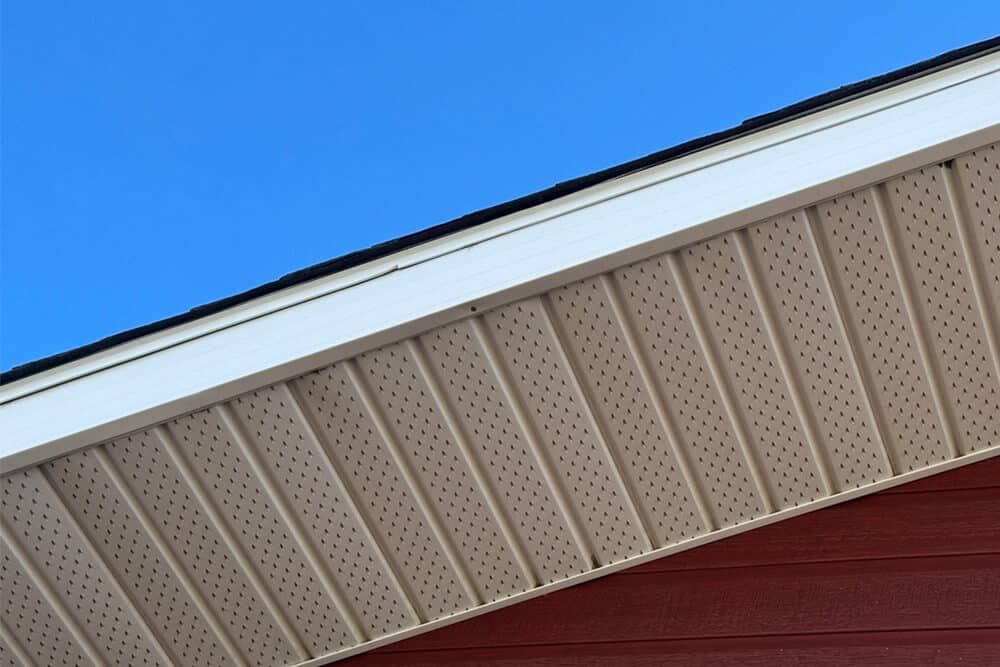
- Soffit Vents: Installed in your soffits (the underside of your roof’s overhang), these vents keep your roof deck cool by pulling in dry air from the outside. They are the standard intake vent for most homes.
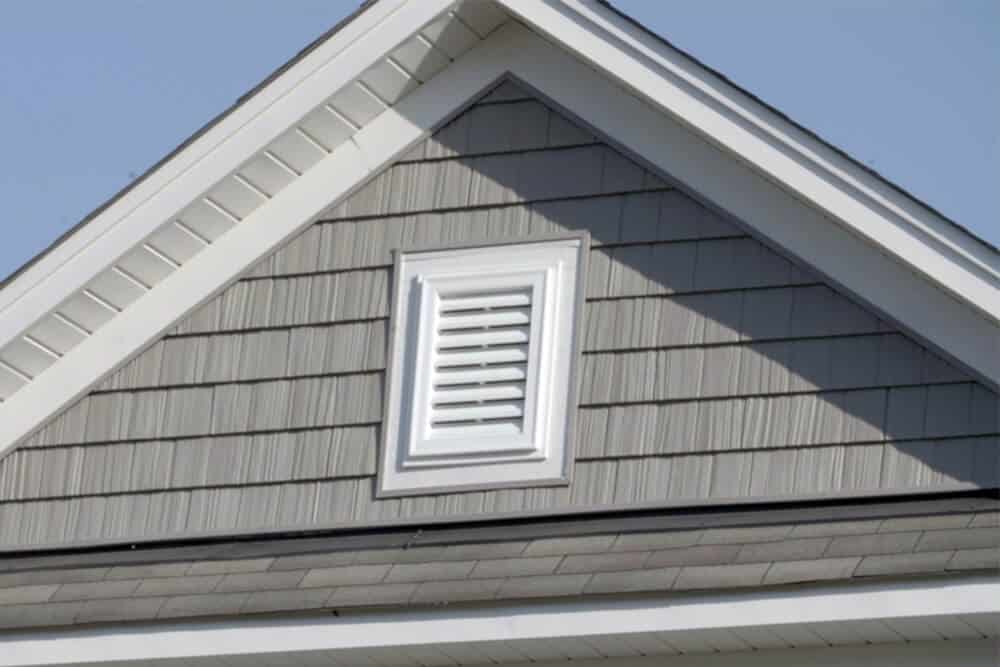
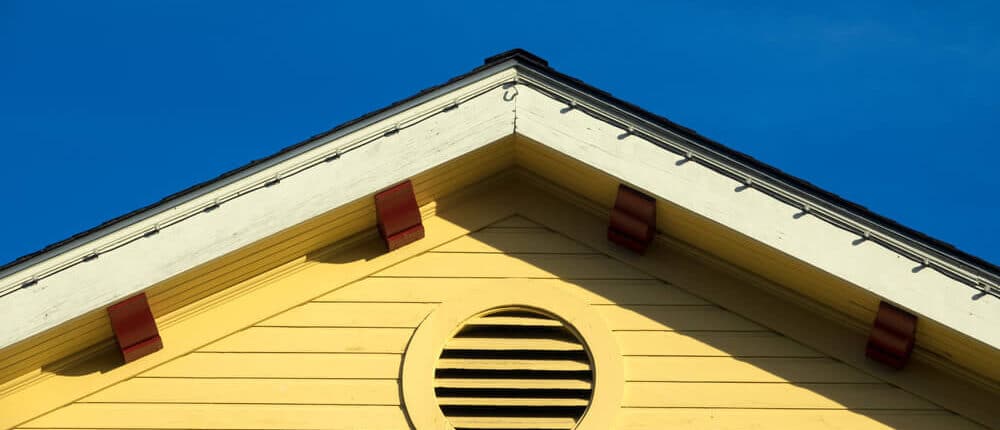
- Gable Vents: These louvered vents are placed right below the roofline, on either side of your house so wind can pass through. They are more common in historic homes and are less effective than other ventilation systems.
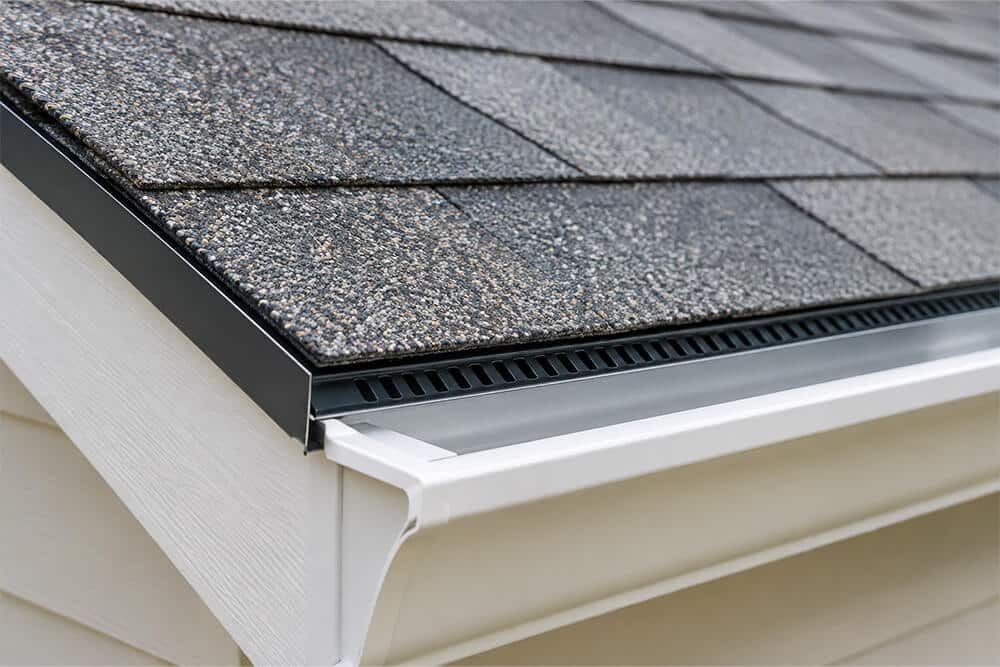
- Drip Edge Vents: These are installed where the roof meets your gutter. They are used for homes without a traditional roof overhang where a soffit vent wouldn’t work.
The most common system for roof ventilation in Pennsylvania is a continuous ridge vent paired with a soffit vent! But the best solution depends on your specific roof’s design. You also need to consider what size vents will work best. Remember to look at the NFA rating, not the overall dimensions of the product itself.
KSW TIP: Don’t mix different types of vents. Using a ridge and soffit system along with box vents, gable vents, or powered fans can disrupt the airflow and cause it to “short-circuit.”
FAQs About Roof Ventilation in Pennsylvania
The right system depends entirely upon the size of your attic and your roof’s design. However, most homes rely on ridge vents for exhaust and soffit vents for intake. Our team at KSW Construction can inspect your roof and tell you what system will work best.
Ventilation is an important element of your roof, so you should do a few things to make sure it is functioning correctly. We recommend inspecting the vents yourself twice a year: once in the late spring ahead of the heat, and once in the fall ahead of the snow.
Make sure your vents aren’t clogged or blocked by insulation, and check them for obvious damage. Keep your gutters clean so they don’t impact soffit or drip edge vents. And keep an eye out for signs of moisture or mold in your attic, which would indicate your vents aren’t working.
No! Ventilation systems are designed to only let in air and sunlight, while keeping out rain. They do this with angled slats called louvers, hoods, and baffles that all help shed water.
If you do experience leaks, it’s typically because there are cracks in the vent itself or damaged flashing around the base. Sometimes, wind-driven rain and extreme storms can overwhelm your vents, but it’s not common.
Some buildings are intentionally left unvented. But for most homes, vents are a crucial part of the design and can save you money and headaches down the line.
It depends on the type of vent you want to install and your level of experience. However, since ventilation is so important, we recommend leaving it to the professionals. This way, you can guarantee it’s done right and avoid the hassle.
KSW Construction works with homeowners throughout Central PA. We provide roof ventilation services, roof inspections, and entire roof replacements. Just contact us on our website or give us a call to get your project started.
Expert Roofers, At Your Service
Your roof isn’t something to risk with a DIY project. Our team has over a decade of experience in Central PA roofing, so find out how we can help make this winter a success.